
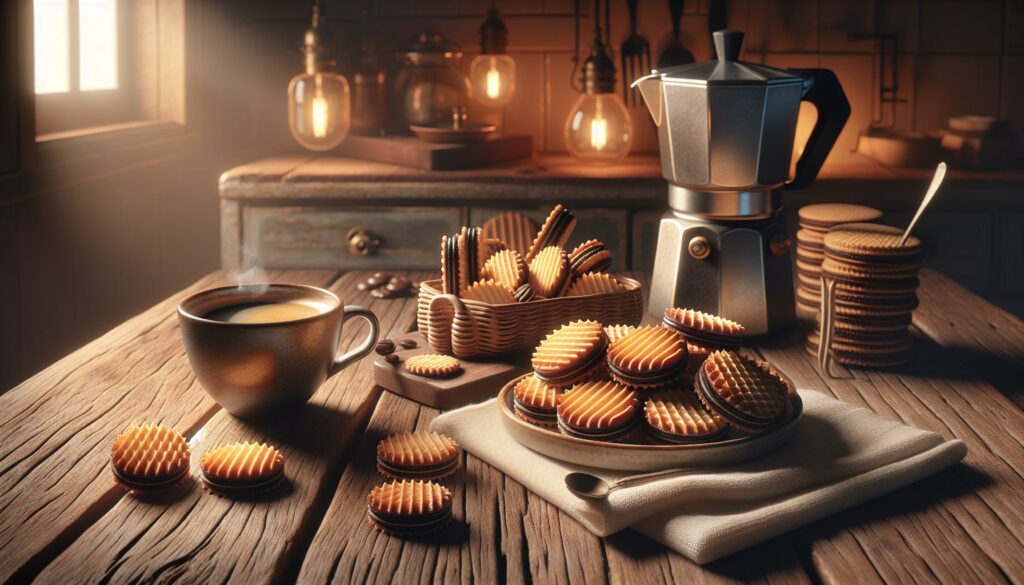
Ever wondered what makes Spanish kids jump with joy at snack time? Meet the curruquine – a beloved chocolate-covered cookie that’s been delighting taste buds across Spain for generations. These iconic treats combine the perfect crunch of wafer layers with rich chocolate coating creating an irresistible snack that’s impossible to resist. Beyond their delectable taste curruquines have become a cultural phenomenon representing cherished childhood memories for millions of Spaniards. Whether enjoyed as an after-school treat or shared during family gatherings these bite-sized delights have earned their place in Spain’s culinary heritage. They’re more than just cookies – they’re edible nostalgia that continues to captivate new generations of snack enthusiasts.
Curruquines
Curruquines are traditional Spanish confections consisting of layered wafer cookies covered in chocolate. These iconic treats combine delicate textures with rich flavors to create a distinctive snacking experience.Origins in Catalan Cuisine
Curruquines emerged from the vibrant culinary traditions of Catalonia, Spain, in the early 1900s. Local bakeries in Barcelona pioneered these chocolate-covered wafers as an affordable luxury during post-war economic recovery. The name “curruquine” derives from the Catalan word “curro,” meaning elegant or fancy, reflecting the cookie’s elevated status among conventional sweets. Catalan bakers developed the signature recipe through experimentation with imported cocoa and regional baking techniques, establishing curruquines as a cornerstone of regional confectionery.Traditional Ingredients and Shape
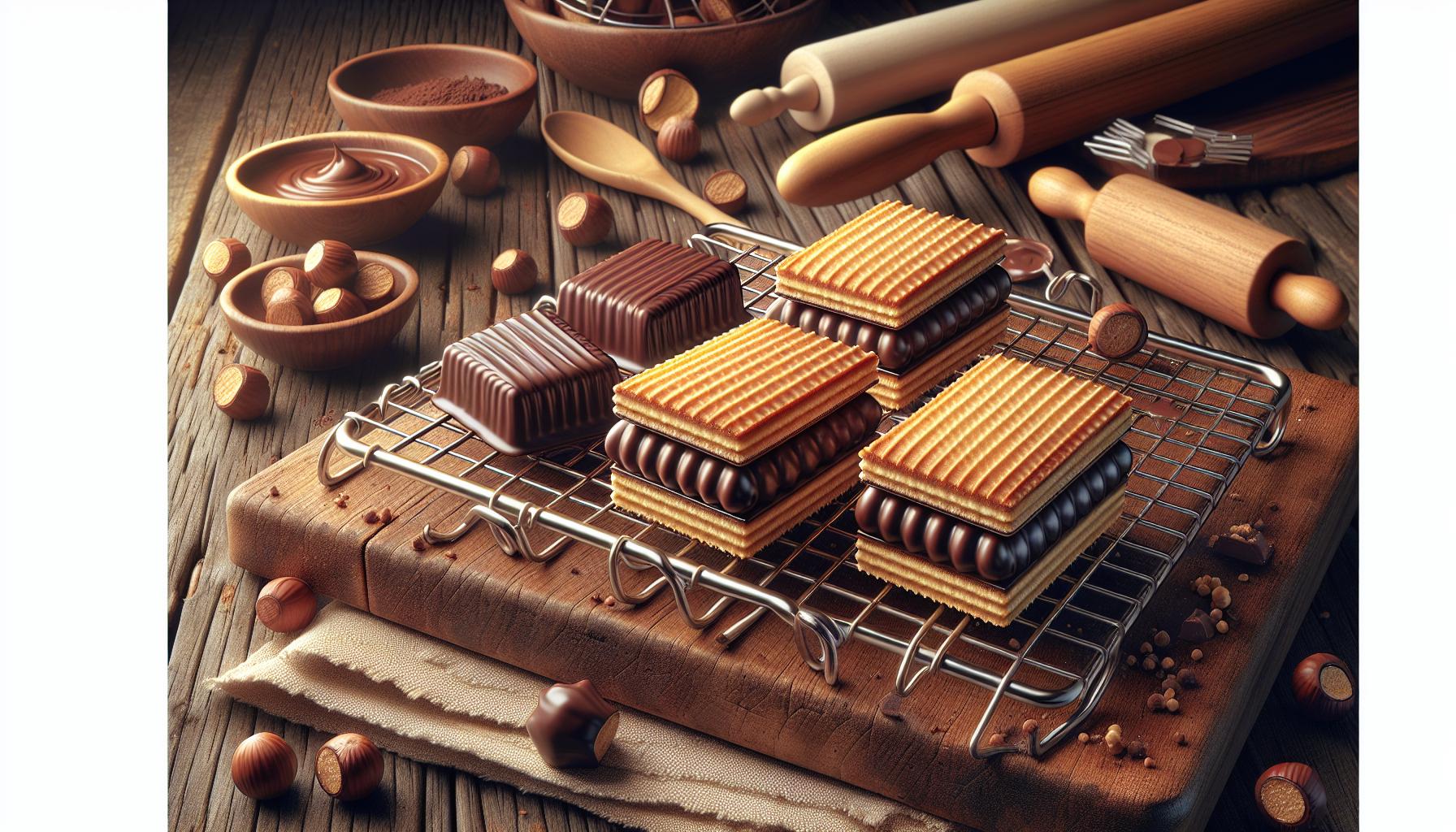
The classic curruquine features three primary components: crisp wafer layers, chocolate coating and nutty filling. The wafers incorporate wheat flour, sugar and butter, creating light yet sturdy bases. Dark chocolate containing 60-70% cocoa solids forms the outer shell. A hazelnut cream filling separates each wafer layer, adding richness and complexity. The distinctive rectangular shape measures approximately 2 inches by 1 inch, with precise edges and a glossy chocolate finish. Each cookie contains 4-5 thin wafer layers, producing the characteristic stratified appearance when viewed in cross-section.How to Make Authentic Curruquines
Essential Preparation Steps
-
- Gather ingredients:
-
- All-purpose flour (500g)
-
- Granulated sugar (200g)
-
- Unsalted butter (250g)
-
- Eggs (3 large)
-
- Pure vanilla extract (10ml)
-
- Dark chocolate (400g)
-
- Hazelnut cream (200g)
-
- Prepare equipment:
-
- Wafer iron or pizzelle maker
-
- Double boiler
-
- Offset spatula
-
- Rectangular cookie cutter
-
- Cooling rack
-
- Thermometer
-
- Mix the wafer batter:
-
- Combine flour sugar in a bowl
-
- Beat eggs with vanilla
-
- Fold wet ingredients into dry mixture
-
- Create smooth consistent batter
-
- Heat wafer iron to 375°F (190°C)
-
- Pour 2 tablespoons batter onto center
-
- Cook each wafer for 90 seconds
-
- Remove when golden brown
-
- Cut into rectangles while warm
-
- Temper chocolate at 88-90°F (31-32°C)
-
- Cool wafers completely before assembly
-
- Maintain room temperature 68-72°F (20-22°C)
-
- Layer wafers with hazelnut cream
-
- Freeze 15 minutes between layers
-
- Dip in tempered chocolate
-
- Set on cooling rack 30 minutes
Popular Curruquines Variations
The classic curruquine has evolved into multiple variations across Spain, adapting to regional tastes and modern preferences. These adaptations maintain the signature wafer-chocolate combination while introducing innovative flavors and textures.Sweet vs. Savory Options
Sweet curruquines feature diverse flavor combinations beyond the traditional chocolate-hazelnut profile. White chocolate variations incorporate vanilla beans or caramel undertones. Fruit-infused versions include raspberry dark chocolate or orange milk chocolate coatings. Modern interpretations add matcha green tea, salted caramel or coffee-flavored creams between wafer layers. Savory curruquines emerged as a gourmet snack option in tapas bars. These variations use herbs like rosemary or thyme in the wafer batter. Specialty versions incorporate cheese-flavored cream fillings or olive oil-infused chocolate coatings. Premium varieties feature black truffle, manchego cheese or pimentón spice elements.Regional Differences
Catalonian curruquines maintain the traditional dark chocolate coating with 70% cacao content. Barcelona bakeries create versions with local hazelnuts from Reus. Madrid producers add marcona almonds between wafer layers. Basque Country variations incorporate txocolate, a distinct regional chocolate style. Andalusian versions feature orange blossom honey in the filling. Valencia producers include ground tiger nuts in wafer batters. Northern regions prefer thicker chocolate coatings while southern areas opt for thinner layers. Galician interpretations use sea salt from local flats in chocolate coatings.Best Ways to Serve and Store Curruquines
Serving curruquines requires attention to temperature and presentation to maximize their flavor and texture. These chocolate-covered wafer cookies pair exceptionally well with various beverages and complement other desserts.Pairing Suggestions
Curruquines pair perfectly with afternoon coffee or espresso, enhancing the chocolate’s rich flavors. Hot chocolate creates a decadent combination, especially during colder months. Spanish sweet wines like Pedro Ximénez complement the dark chocolate coating with their intense raisin notes. Milk-based drinks balance the cookie’s sweetness:-
- Café con leche brings out the wafers’ nutty undertones
-
- Cold milk highlights the chocolate’s richness
-
- Almond milk accentuates the hazelnut filling
-
- Port wine matches the dark chocolate intensity
-
- Earl Grey tea enhances the chocolate notes
-
- Green tea provides a refreshing contrast
-
- Chamomile tea creates a soothing dessert experience
-
- Fresh berries for tartness
-
- Vanilla ice cream for temperature contrast
-
- Whipped cream for added indulgence
-
- Additional nuts for texture enhancement
Where to Find Traditional Curruquines
Traditional curruquines are available at select locations throughout Spain, primarily in Catalonia where these beloved treats originated. Barcelona’s historic Gothic Quarter houses several artisanal bakeries specializing in authentic curruquines:-
- Pastisseria Escribà – Operating since 1906 on Las Ramblas
-
- Casa Vives – Located in the El Born district since 1924
-
- Pastisseria La Colmena – Situated in Plaza del Angel since 1915
-
- Madrid: Chocolatería San Ginés, Mercado de San Miguel
-
- Valencia: Valor Chocolatería, Casa Cerdá
-
- Seville: La Campana, Confitería La Castellana
-
- Spanishfoodshop.com – Ships to 30+ countries
-
- Tienda.com – Specializes in Spanish confections
-
- Amazon Spain – Offers select brands with global delivery
| Location Type | Price Range (€) | Quantity |
|---|---|---|
| Artisanal Bakeries | 12-18 | Box of 12 |
| Chocolate Shops | 8-15 | Box of 10 |
| Supermarkets | 5-10 | Box of 8 |
| Online Retailers | 15-25 | Box of 15 |
-
- El Corte Inglés – Premium food section
-
- Mercadona – Local products aisle
-
- Carrefour – Traditional sweets department